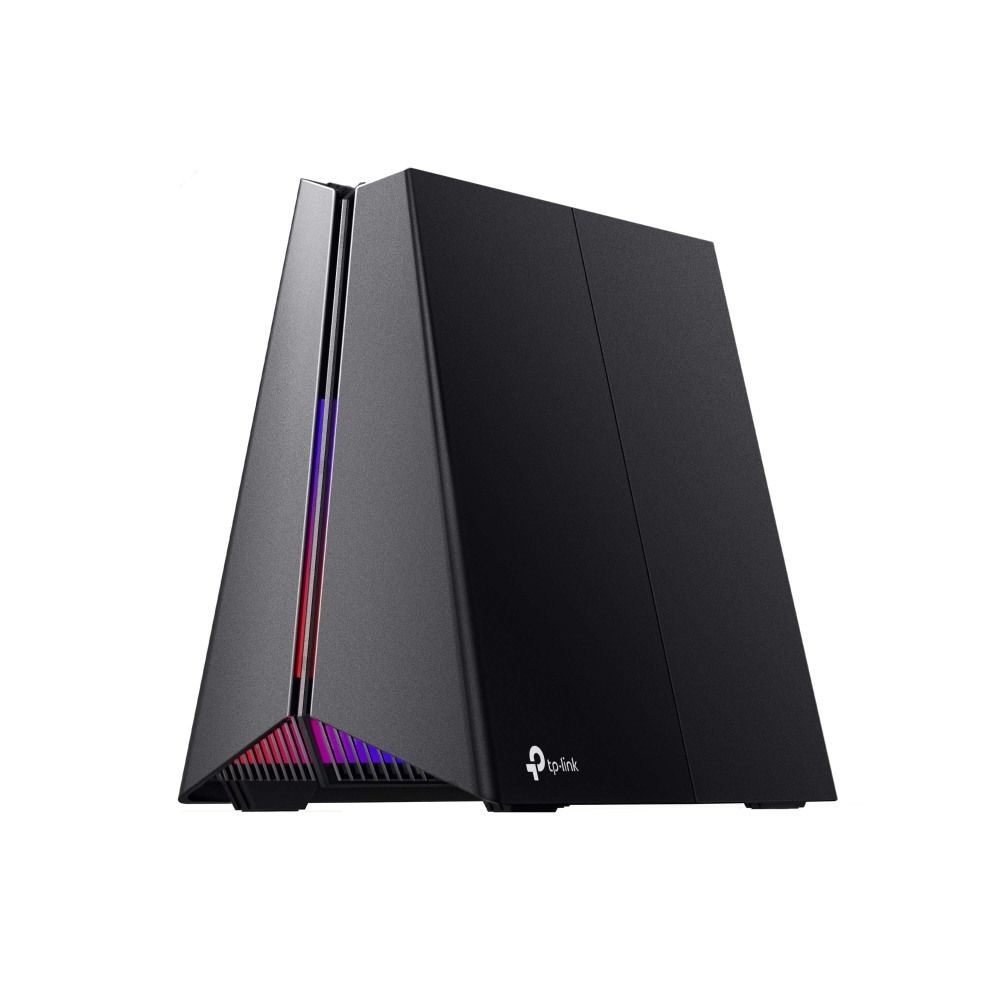
End Lag, Boost Speed: Why WiFi 7 Gaming Routers Are Essential for Pro Play
In the intensely competitive world of online gaming, every millisecond counts. Lag spikes, dropped connections, and slow speeds aren't just minor inconveniences; they can be the difference between victory and defeat. As games become more graphically demanding and online environments more intricate, the demand on your home network escalates. This is where
WiFi 7 gaming routers step in, offering a revolutionary leap forward designed specifically to meet and exceed the needs of the most demanding gamers. Far more than just an incremental upgrade, WiFi 7 (also known as 802.11be or Wi-Fi 7) is engineered from the ground up to deliver unprecedented speeds, ultra-low latency, and robust connectivity, fundamentally transforming your gaming experience.
The Technological Edge: How WiFi 7 Transforms Your Gaming Experience
WiFi 7 introduces a suite of groundbreaking technologies that directly address the pain points of modern gamers. Understanding these innovations is key to appreciating why a
WiFi 7 gaming router is an indispensable tool for anyone serious about their online performance.
- Multi-Link Operation (MLO): This is arguably the most significant advancement for gaming. MLO allows devices to simultaneously send and receive data across different frequency bands (2.4 GHz, 5 GHz, and the new 6 GHz band). Imagine having multiple highways for your data to travel on at once. If one lane gets congested, your data seamlessly switches or even uses multiple lanes concurrently, drastically reducing latency and improving reliability. For gamers, this means fewer lag spikes and a more stable connection, even when your household is streaming 4K video or downloading large files.
- 4K-QAM (4096-QAM): Quadrature Amplitude Modulation determines how much data can be packed into each signal. WiFi 7's 4K-QAM significantly increases data density compared to WiFi 6's 1024-QAM, allowing for a staggering 20% higher theoretical peak speeds. This translates to faster game downloads, quicker patch updates, and more bandwidth for data-intensive applications like cloud gaming or high-resolution streaming during a live match.
- Wider 320 MHz Channels: WiFi 7 doubles the channel width available in the 6 GHz band, allowing for massive data throughput. These wider lanes act like superhighways, capable of carrying far more data simultaneously, which is crucial for handling the massive data streams required for immersive AR/VR gaming and future 8K streaming.
- Multi-RU (Resource Unit) Puncturing: Building on OFDMA (Orthogonal Frequency-Division Multiple Access) from WiFi 6, Multi-RU puncturing improves spectrum utilization. If a segment of a wide channel is being used by another device or is experiencing interference, WiFi 7 can "puncture" or bypass that segment and use the remaining clear portions of the channel. This ensures more efficient use of available spectrum, leading to better performance in busy network environments.
Collectively, these technologies ensure that a
WiFi 7 gaming router provides not just raw speed, but a foundation of unparalleled stability, efficiency, and responsiveness. For a deeper dive into these core technologies and their impact, check out our related article:
WiFi 7 for Gamers: Multi-Link, 4K-QAM, & Tri-Band Power.
Key Features to Look for in Your Next WiFi 7 Gaming Router
While the core WiFi 7 technologies are critical, the best gaming routers go beyond mere protocol implementation, integrating specialized features to further optimize your online experience.
- Dedicated Gaming Bands and Ports: Many high-end WiFi 7 gaming routers feature a dedicated 5GHz or even 6GHz band specifically for gaming traffic. This isolates your game data from other network activities, ensuring it has priority and minimal interference. Furthermore, dedicated gaming Ethernet ports (often highlighted with distinctive colors) ensure that wired connections to your PC or console receive preferential treatment, benefiting from lower latency and higher stability.
- Advanced Quality of Service (QoS): Intelligent QoS allows you to prioritize gaming traffic over other applications, ensuring that your critical packets reach their destination first. Modern WiFi 7 routers often come with intuitive, app-based controls that let you easily set these priorities, sometimes even automatically detecting and prioritizing gaming consoles or PCs.
- Powerful Processors and RAM: Running advanced networking features, managing multiple devices, and handling high-speed data streams requires significant processing power. Look for routers with multi-core CPUs (e.g., quad-core) and ample RAM, as these contribute to overall network stability and responsiveness, especially under heavy load.
- High-Performance Antennas and Coverage: Effective signal distribution is paramount. Routers with multiple high-gain antennas ensure broad and consistent coverage throughout your home, minimizing dead zones. Features like beamforming further concentrate the signal towards your gaming devices, improving connection quality.
- Robust Security Features: With the increasing threat of cyberattacks, network security is not just an add-on; it's a necessity. Premium WiFi 7 gaming routers often include built-in security suites (like TP-Link's HomeShield or NETGEAR's Armor), offering automatic firmware updates, malicious site blocking, and intrusion prevention. Some even provide VPN client/server capabilities for enhanced privacy and secure remote access.
- Multi-Gigabit Ethernet Ports: To fully leverage WiFi 7's immense wireless speeds, your wired backbone must keep up. Look for routers with 2.5 Gigabit or even 10 Gigabit WAN/LAN ports, allowing you to connect to multi-gigabit internet services or create a lightning-fast wired connection to your gaming rig or NAS.
Leading the Charge: Notable WiFi 7 Gaming Router Models
The market for
WiFi 7 gaming routers is rapidly expanding, with top brands pushing the boundaries of performance and features. While specific models may evolve, the underlying principles of their design remain focused on delivering the ultimate gaming advantage.
For gamers prioritizing sheer speed and an unparalleled wireless experience, look for tri-band or quad-band models that leverage the new 6 GHz spectrum. Routers like the
TP-Link Tri-Band BE15000 offer extreme aggregated speeds, combining MLO with 8-stream capabilities to deliver fluent 4K/8K streaming and truly immersive AR/VR gaming. Its robust security and Easy-Mesh integration also provide a comprehensive solution for large homes.
Other compelling options, such as the
TP-Link Tri-Band BE11000, are specifically "designed for serious gamers" with dedicated gaming bands and game acceleration features. These models often feature eye-catching designs with RGB lighting, fitting perfectly into a high-performance gaming setup.
If your primary gaming device is wired, but you still need superior WiFi, consider routers boasting significant multi-gigabit wired connectivity. The
ASUS RT-BE86U BE6800, for instance, offers beyond-fast wireless performance combined with a 10 Gigabit Ethernet port, making it ideal for scenarios requiring supreme wired capacity alongside excellent WiFi. Its powerful quad-core CPU and versatile WAN options ensure uninterrupted and secure internet access.
For a balance of cutting-edge WiFi 7 tech, solid performance, and extensive home coverage, models like the
NETGEAR Nighthawk RS200 or the
TP-Link Archer BE6500 provide robust solutions. They offer substantial bandwidth, leveraging MLO and 4K-QAM for optimized performance across numerous devices, complete with built-in security and extensive coverage areas.
Exploring the various top contenders can help you identify the perfect match for your specific setup. To see some of the top picks and their detailed specifications, read more at
Best WiFi 7 Gaming Routers: Unprecedented Speed, Zero Lag.
Beyond the Hardware: Optimizing Your WiFi 7 Gaming Setup
Acquiring a powerful
WiFi 7 gaming router is just the first step. To truly end lag and boost speed, consider these optimization tips:
- Router Placement: Position your router centrally and in an open area, away from obstructions like walls, large metal objects, and other electronics that can cause interference. Higher placement often yields better signal distribution.
- Firmware Updates: Always ensure your router's firmware is up to date. Manufacturers frequently release updates that improve performance, add features, and patch security vulnerabilities.
- Prioritize Gaming Devices: Utilize your router's QoS settings to prioritize your gaming PC or console. This ensures that even if other devices are active, your game traffic gets preferential treatment.
- Wired Connection for Critical Devices: While WiFi 7 is incredibly fast, a direct Ethernet connection remains the gold standard for competitive gaming due to its unparalleled stability and minimal latency. Use the dedicated gaming ports on your router for your primary gaming rig.
- Utilize the 6 GHz Band: If your gaming device supports it, connect to the 6 GHz band. This band is less congested and offers the widest channels and lowest interference, providing the ultimate wireless gaming experience.
- Limit Background Applications: Close unnecessary applications and downloads on your gaming device and other network-connected devices during critical gaming sessions.
Conclusion: The Future of Gaming is Wireless, and It's Here
The era of frustrating lag and dropped connections is rapidly drawing to a close, thanks to the advent of
WiFi 7 gaming routers. With their revolutionary MLO, 4K-QAM, wider channels, and advanced features like dedicated gaming bands and intelligent QoS, these routers are more than just an upgrade; they are a fundamental shift in how we experience online gaming. By investing in a WiFi 7 router, you're not just buying a piece of hardware; you're investing in a seamless, lag-free, and hyper-responsive gaming future, ensuring that your skills, not your network, determine your success in every match.